Guide to Double Glazed Windows for Pakistan's Climate
Pakistan’s climate presents extreme weather challenges. From scorching summer heatwaves crossing 45°C in plains like Lahore, Multan, and Jacobabad, to intense monsoon rains, suffocating humidity, and freezing winter drops in Islamabad, Quetta, and Peshawar—households face constant climate battles.
Managing these shifts requires heavy use of air conditioners and room heaters, leading to incredibly high electricity and gas bills. In this climate, double-glazed windows have transitioned from a luxury feature to a structural necessity.
Here is a comprehensive guide to deploying double glazing effectively against Pakistan’s diverse climate.
1. The Anatomy of a Climate-Shield Window
Standard single glass windows act like wide-open thermal gates. Double glazing relies on an insulated barrier design to block heat transfer:
- Two Panes of Glass: Usually 5mm or 6mm thick each.
- The Hermetic Spacer (The Gap): The glass panes are held apart by a spacer bar, creating an insulating gap. Globally and locally, a 12mm air/gas gap is the engineering standard for optimal thermal defense.
- Insulating Air or Argon Gas: The pocket is filled with dehydrated air or Argon gas. Because still air/argon conducts heat very poorly, it forms a barrier that blocks heat from moving between the outside environment and your living room.
2. Choosing the Right Frame: uPVC vs. Aluminium
Double glass is only as good as the frame holding it. If you put high-performance double glass into a cheap, conductive frame, the heat will bypass the glass and leak through the frame walls.
uPVC (The Thermal Champion)
- Why it works: uPVC is a natural non-conductor of heat. It features multiple internal hollow air chambers that further trap and deaden thermal energy.
- Climate fit: Perfect for the intense heat of Punjab, Sindh, and KPK. It remains completely cool to the touch on the inside even under a 46°C June sun, keeping your Inverter AC on low-power mode.
Aluminium (Standard vs. Thermal Break)
- The Risk: Standard aluminium is a metal that absorbs heat rapidly, acting like a radiator inside your room.
- The Solution: If you prefer the sleek look of aluminium, you must use Thermal Break Aluminium (frames with a built-in nylon/plastic insulation strip that splits the exterior metal from the interior metal). It works beautifully but carries a premium cost.
3. Customizing for Specific Pakistani Weather Challenges
Depending on where you are building or renovating, your double-glazing specifications should target local environmental issues:
The Summer Heatwaves (All of Pakistan’s Plains)
- The Spec: Double Glazing with Low-E (Low-Emissivity) Glass or Tinted/Reflective Glass on the outer pane.
- How it helps: Reflective or Low-E glass bounces dangerous infrared and UV solar radiation away from your house before it can heat up your curtains, sofa fabrics, and indoor walls. This drops AC running time by 25% to 40%.
The Monsoon Downpours & Dust Storms (Andhi)
- The Spec: Fusion-welded uPVC frame corners paired with dual EPDM rubber gaskets and multipoint locking hardware.
- How it helps: Traditional windows allow fine dust and rainwater seepage through structural frame gaps. Double-glazed windows with multipoint locks lock tightly against rubber seals when the handle is engaged, rendering the window completely airtight against dust and driving monsoon rain.
The Foggy, Shivering Winters (Islamabad, Rawalpindi, KPK, Upper Punjab)
- The Spec: Clear double-glazing with an Argon gas fill.
- How it helps: During chilly winter nights, your indoor gas or electric heaters warm up the air inside. Double glazing prevents that warmth from radiating out through the cold glass. It seals the ambient temperature inside, drastically cutting winter heating bills.
4. Current Cost Expectations in Pakistan (2026 Rates)
When budgeting for a home construction project, window quotes are calculated per square foot (sq. ft.), factoring in the frame material, glass configuration, and hardware:
- Standard Double-Glazed uPVC/Aluminium: PKR 2,300 – PKR 3,500 per sq. ft.
(Utilizes Turkish or premium local profiles with a standard 12mm air gap. Ideal for standard residential builds).
- Premium Double-Glazed uPVC / Thermal Break Aluminium: PKR 4,800 – PKR 7,500+ per sq. ft.
(Features imported German profiles like Veka/Aluplast or European Thermal-Break aluminium sections. Essential for massive panoramic glass walls or high-altitude luxury homes exposed to severe wind loads).
5. Summary Check for Homeowners
Before finalizing your vendor contract, confirm these details:
- Verify the Gap: Ensure the fabricator is using a genuine 12mm spacer for the double-glazing unit; thinner gaps (like 6mm or 9mm) provide significantly lower thermal insulation.
- Inspect the Corners: If buying uPVC, check that the corners are fusion-welded (melted together seamlessly) rather than held together with basic mechanical screws.
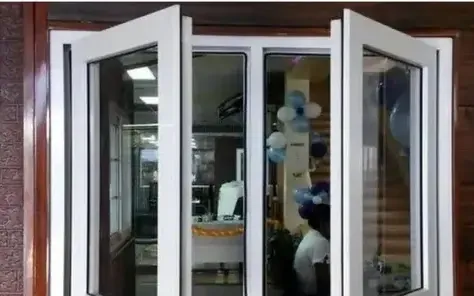
- Choose Casement over Sliding for Max Efficiency: Sliding windows move on tracks that require slight gaps to glide smoothly. Casement (openable/swinging) windows press firmly against double rubber seals when locked, providing the absolute highest insulation rating against hot weather, dust, and street noise.
Get a free site measurement and quotation from Window Concept.