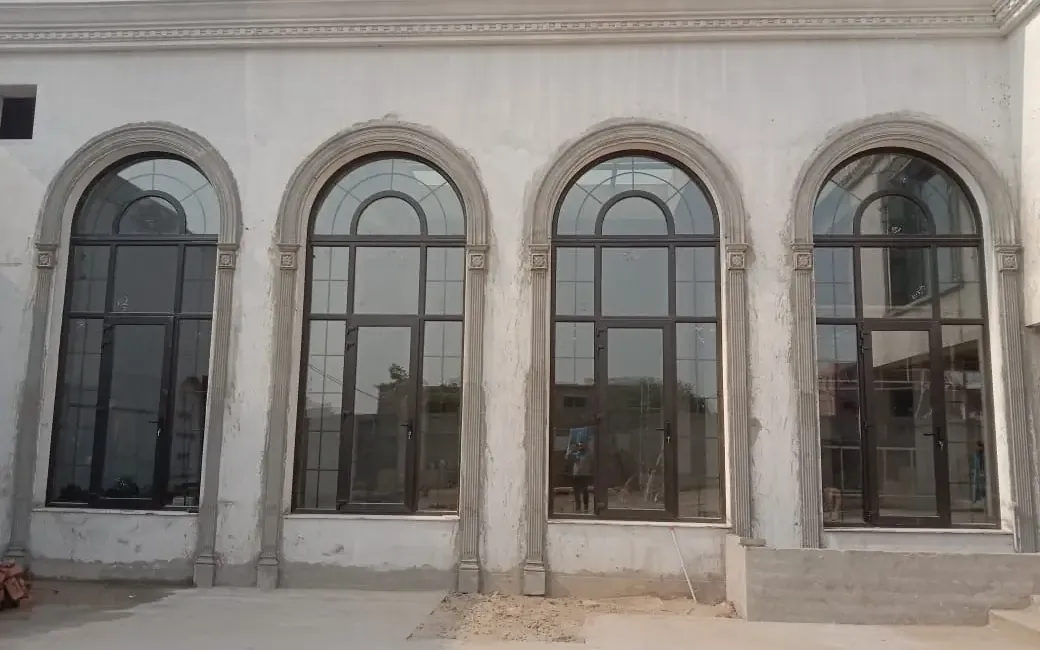
Why uPVC is More Weather Resistant than Wood

When evaluating building materials for a house in Pakistan, comparing uPVC to traditional wood reveals why the architectural trend has completely shifted toward synthetic profiles.
Pakistan’s weather is uniquely punishing. Homeowners have to deal with a brutal cycle: scorching summer temperatures reaching 45°C to 50°C in cities like Multan, Lahore, and Sukkhar, followed immediately by the intense humidity and torrential downpours of the monsoon season, and finally, dry, dusty winters.
uPVC outperforms wood in weather resistance because it is chemically engineered to withstand these exact environmental extremes. Here is how it holds up against Pakistan’s distinct climate cycles:
1. The Monsoon Battle: Moisture vs. Warping
- The Problem with Wood: Wood is a natural, porous material that acts like a sponge. During the heavy Pakistani monsoon season, wooden doors and windows absorb atmospheric moisture, causing them to swell and warp. This is why wooden doors famously jam, scrape against the floor, or refuse to lock properly in July and August. Conversely, when the dry winter hits, the wood shrinks, leaving gaps that let in cold drafts and dust. Over time, this constant expanding and contracting splits the joints.
- The uPVC Advantage: uPVC (Unplasticized Polyvinyl Chloride) is entirely non-porous and waterproof. No matter how much it rains in Islamabad or how humid it gets in Karachi, uPVC never absorbs moisture. It maintains its exact shape and millimeter-perfect size 365 days a year, meaning your windows and doors will glide smoothly regardless of the season.
2. The Summer Bake: UV Stability vs. Fading & Cracking
- The Problem with Wood: The intense, direct sunlight in Pakistan bakes the natural moisture out of wood, causing it to dry out, split, and lose its structural strength. Furthermore, the exterior paint, polish, or varnish applied to wooden frames flakes, bubbles, and cracks under heavy UV exposure. To keep wood looking decent in Pakistan, you have to scrape, re-polish, or repaint it every 2 to 3 years.
- The uPVC Advantage: High-quality uPVC profiles imported into or manufactured for Pakistan are engineered with heavy doses of UV Stabilizers (specifically Titanium Dioxide). This acts like a permanent, built-in sunscreen. It prevents the material from becoming brittle or turning a weathered yellowish color under the blazing sun, ensuring the frames look brand new for decades without ever needing a paintbrush or polish.
3. The Dust & Smog Storms: Sealing Capacity
- The Problem with Wood: Because wood naturally warps and shifts, tiny gaps inevitably form between the window sash and the frame. During the intense dust storms (Andhi) of early summer or the heavy winter smog in Punjab, these gaps allow fine dust, pollen, and dangerous particulate matter to seep into your clean home.
- The uPVC Advantage: uPVC window profiles are welded together at the corners to form a single, seamless piece of plastic, and they utilize high-grade synthetic rubber gaskets (EPDM seals). Because the material doesn’t warp with the weather, these airtight seals remain completely flush, blocking out dust, howling winds, and city noise far better than wood ever could.
4. The Humid Breeding Grounds: Termite Immunity
While termites (Deemak) are a biological pest, their activity is heavily accelerated by Pakistan’s warm, humid weather.
- The Problem with Wood: If moisture gets trapped in a wooden frame, it becomes the ultimate target for termites. A termite infestation can completely hollow out expensive solid wood frames (even seasoned Deodar or Ash) from the inside out before you even notice it, leading to thousands of rupees in damages.
- The uPVC Advantage: uPVC has zero organic matter. It offers absolutely no nutritional value to pests. It is 100% termite-proof and rot-proof. You can spray water on it, leave it in a damp corner, or subject it to coastal humidity, and it will never harbor termites, mold, or fungi.
Maintenance & Longevity Comparison
| Weather & Environmental Factor | Traditional Wood (In Pakistan) | Modern uPVC (In Pakistan) |
|---|---|---|
| Monsoon Rain & Humidity | Swells, jams, warps, and rusts hinges. | Completely waterproof; stays perfectly aligned. |
| 45°C+ Summer Heat | Dries out, shrinks, and splits open. | Retains structural integrity and locks out heat. |
| Intense UV Sunlight | Destroys polish/paint; requires maintenance every 2 years. | Built-in UV protection; never needs paint or polish. |
| Termites (Deemak) | High risk (requires expensive chemical treatments). | 100% Immune. |
| Cleaning Post-Dust Storm | Requires specialized wood oils; dust sticks to grain. | Quick wipe down with a damp cloth and soap. |
Summary
Unless you are spending astronomical amounts of money on rare, perfectly seasoned, high-grade Burmese Teak wood—and are willing to pay for professional polishing every couple of years—natural wood simply cannot keep up with Pakistan’s harsh weather cycles. For a truly durable, “fit-and-forget” solution that actively protects your home from the elements, uPVC is the structurally superior choice.
Get a free site measurement and quotation from Window Concept.